By Chris Merrilees, General Manager.
Most organisations are feeling the pressure.
Leaders are being asked to deliver more with less. Teams are navigating workforce shortages, rising costs, increasing psychosocial risk obligations, and ever-growing expectations around performance and employee experience. At the same time, artificial intelligence has emerged as the solution many organisations are turning to for greater efficiency and cost savings.
But as workplaces become more automated, an important question remains:
What happens to the human connection that sits at the heart of trust, wellbeing and performance?
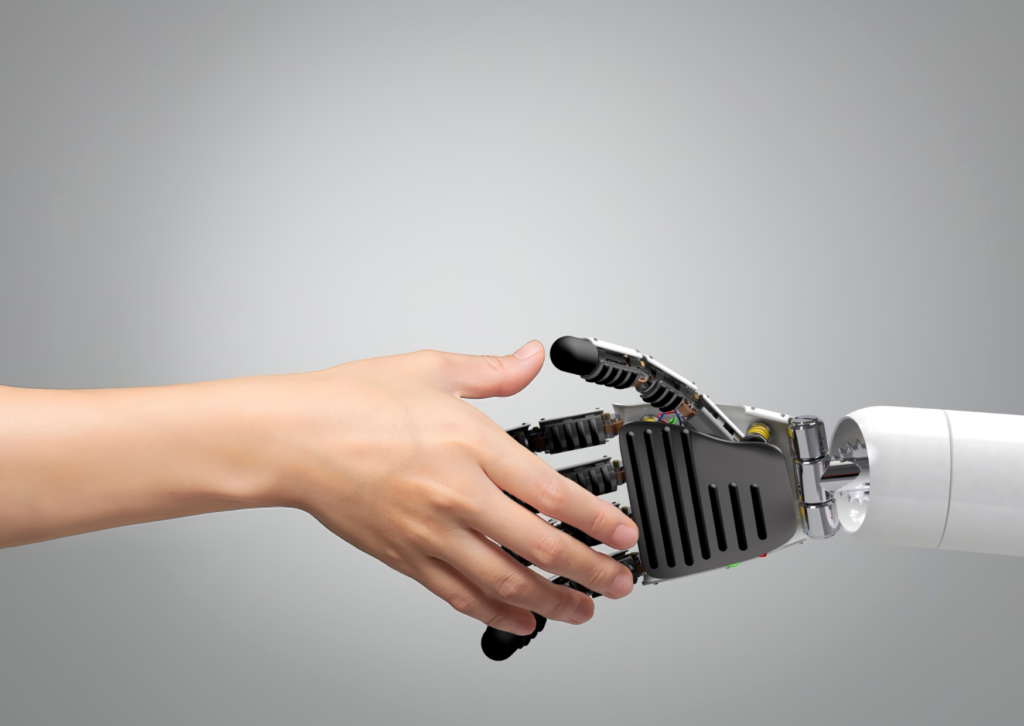
At Strive, we believe the future of work isn’t about choosing between AI and people. It’s about being strategic about how you can leverage technology so that people can spend more time doing what humans do best: connecting, supporting, leading and solving complex problems.
The Real Challenge Facing Employers
The workplaces of today look very different in the post-Covid era, even compared to only a few years ago.
Hybrid work arrangements, remote teams, digital communication platforms and constant connectivity have created new opportunities, but they have also introduced an array of new challenges. Leaders are busier. Calendars are fuller. Work is becoming more fragmented across emails, chats, virtual meetings and collaborative platforms.
While technology has made communication more efficient, I’d argue it has done so at the cost of human connection.
Many organisations are seeing the effects of digital overload, change fatigue and burnout. Informal conversations occur less frequently, if at all. Opportunities to build relationships across teams are very stilted and are too often missed altogether. Coaching conversations are often replaced by a quick Teams message. Human connection has become another casualty of workplace efficiency.
Ironically, while organisations invest heavily in technology to improve productivity, many of the issues affecting performance today are not technology problems at all. They are human problems.
They relate to trust, connection, belonging, leadership, psychological safety and wellbeing.
Gallup’s latest workplace research found that only around one in five Australian employees report being engaged at work, while most employees remain either not engaged or actively disengaged. This means many organisations are operating below their full potential, with employees feeling disconnected from their work, their leaders and their organisation.
The implications are significant. Engagement is not simply a people metric. Highly engaged employees are more productive, more innovative, more customer-focused and more likely to remain with their organisation. Conversely, disengagement contributes to absenteeism, presenteeism, lower performance and increased turnover.
This matters because connection is one of the strongest drivers of engagement. Employees who feel seen, supported and connected to their leader, their team and their organisational purpose are more likely to be engaged, resilient and productive.
In an era where organisations are searching for productivity gains, strengthening human connection may be one of the most underutilised performance strategies available.

The Opportunity AI Creates
This is where AI can play a valuable role.
Used intentionally, AI can help to reduce administration, summarise meetings, analyse data sets to assist strategic decision making and automate repetitive tasks. These capabilities have enormous potential to reduce administrative burden and free up valuable time for leaders and employees alike.
At Strive, we actively embrace innovation and are quite deliberate in our use of AI to support internal efficiency and decision-making within our business.
The key is ensuring that efficiency gains are reinvested back into people.
The real value of AI is not that it replaces human interaction. The value lies in creating more capacity for meaningful human interaction.
Imagine a leader spending less time writing meeting notes and more time coaching a team member, or creating more time for authentic wellbeing conversations.
That is where technology has potential to deliver its greatest return on investment.
Why Human Connection Matters More Than Ever
The evidence tells a compelling story.
According to the Queensland Workers Compensation Scheme Statistics 2024-25 report, psychological and psychiatric claims accounted for $283.2 million in statutory payments and had an average finalised lost time claim cost of $67,477, more than 2.5 times that of a physical injury lost time claim ($26,577). Psychological injury claims also averaged 180 days away from work, significantly longer than the scheme average of 70 days.
The picture becomes even more striking when viewed nationally.
According to the EML Mental Health White Paper Inside the Minds of Australia’s Workplaces, more than four million Australians reported experiencing a mental health condition lasting six months or more. Nearly one in five workers reported high or very high psychological distress, while mental health-related claims now account for 9% of all serious workers’ compensation claims nationally. Median compensation costs exceed $58,600 and median time away from work exceeds 34 weeks.
The broader economic impact is substantial. Mental ill-health is estimated to cost the Australian economy more than $70 billion annually, including over $39 billion in lost participation and productivity. Around 70% of Australian workers are exposed to at least one poor psychosocial job quality factor, such as high job demands, low autonomy, poor role clarity or inadequate support.
These figures point to an important reality. The greatest workplace risks over the next decade are unlikely to be technical in nature.
They will be psychosocial, relational and cultural. And those risks cannot be solved through automation.
Strive’s Perspective
At Strive, we believe technology should strengthen people relationships, not replace them.
AI should be intentionally utilised to create the time and space to enhance human connection.
When someone is recovering from an injury, navigating workplace conflict, experiencing burnout or returning to work after a period of absence, they don’t simply need information. They need empathy. They need understanding. They need to be heard. They need trust, and they need genuine human connection.
Recovery, wellbeing and return-to-work outcomes are fundamentally human processes.
No algorithm can replace the reassurance provided by an empathetic leader. No automated workflow can replicate the trust built through a meaningful conversation. No technology can replace the sense of belonging that comes from feeling seen, valued and supported at work.
At Strive, we believe technology is at its best when it creates more space for people to be human.


Five Practical Recommendations for Employers
1. Use AI to Reduce Administration, Not Relationships
Automate repetitive tasks or select administrative processes that add low value. Then reinvest the time saved into conversations, coaching and employee support.
2. Train Leaders to Have Better Conversations, Not Fewer Conversations
Leadership remains one of the strongest protective factors against psychological injury, and one of the most impactful controls in managing psychosocial risks. Equip leaders with the confidence and capability to recognise distress, provide support and foster psychological safety.
3. Measure Connection and Wellbeing, Not Just Productivity
Traditional productivity metrics tell only part of the story. Monitor engagement, wellbeing, psychological safety and employee connection alongside operational measures.
4. Protect Meaningful Human Interaction in Hybrid Workplaces
Create intentional opportunities for connection. Team meetings, mentoring programs, wellbeing check-ins, supervision and collaborative activities remain critical, even in highly digital workplaces. Build in clear and consistent ‘anchor days’ into your teams week, where people can see one another in person.
5. Design Work for Connection + Efficiency
Use technology to improve workflows while ensuring employees retain autonomy, purpose, clarity and opportunities to contribute meaningfully. The most sustainable workplaces balance performance with wellbeing.
Looking Ahead
AI is here to stay.
The organisations that thrive over the coming decade will not be those that simply replace people with technology. They will be the organisations that use technology to strengthen leadership, improve inclusion, enhance wellbeing and deepen human connection.
The future of work will not be defined by how much technology we adopt. It will be defined by how intentionally we use technology to support people.
Because while AI may help us work faster, it is human connection that helps us work better.
And in a world increasingly shaped by automation, empathy, trust, care and meaningful relationships may become the most valuable workplace commodities of all.
If you’d like to understand how your organisation can create a healthier, more connected and psychologically safe workplace while embracing the opportunities, contact Strive Occupational Rehabilitation on 1300 361 953 or email info@striveor.com.
Sources:
Gallup. State of the Global Workplace: Australia Country-Level Data.
Queensland Workers’ Compensation Scheme Statistics 2024-25.
EML & Monash University. Inside the Minds of Australia’s Workplaces (2025).
 More Than Beaches and Sunshine: Supporting the People Behind the Sunshine Coast’s Growth