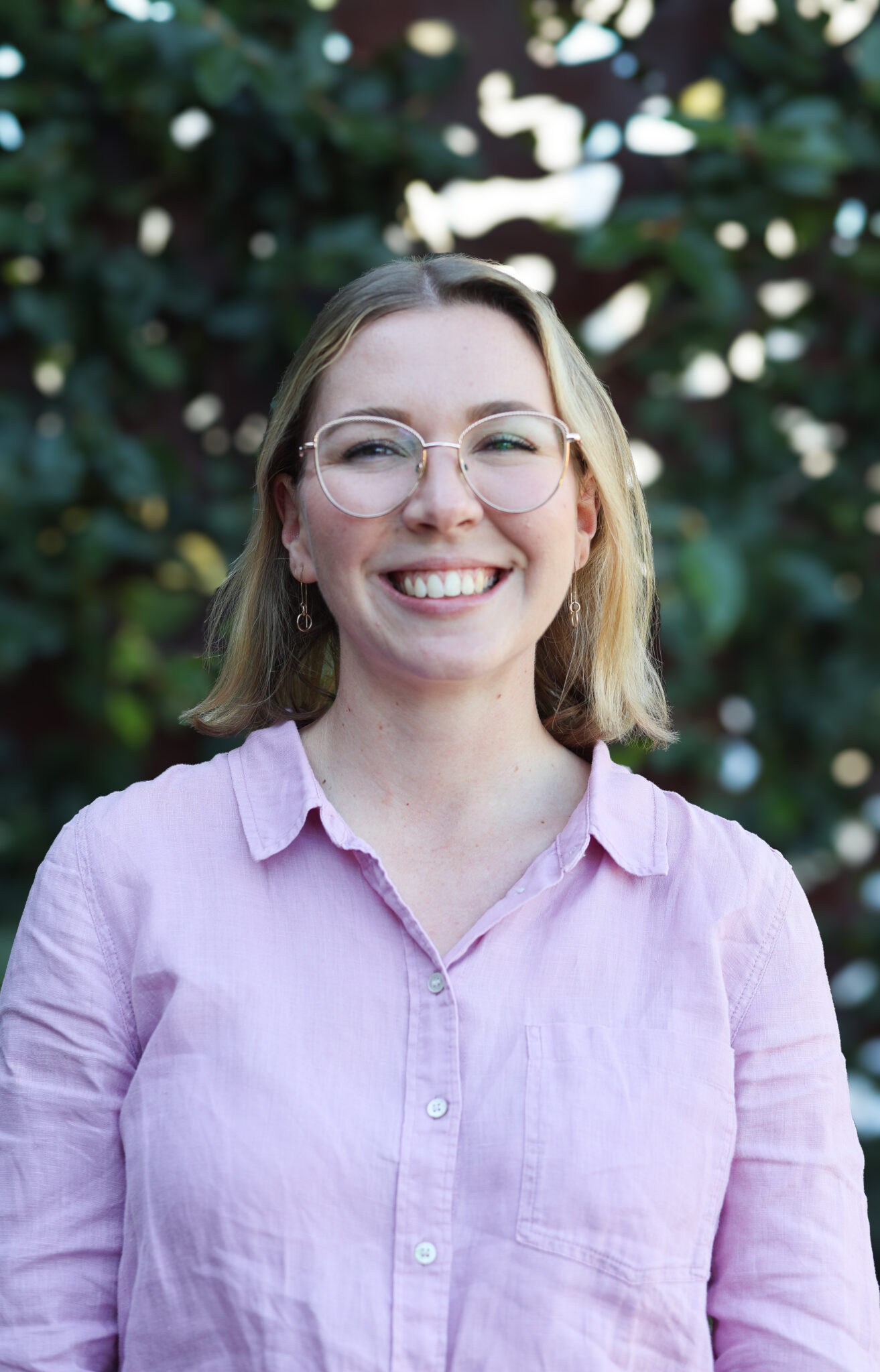
We’re excited to introduce Laura Huygens, a highly skilled Senior Rehabilitation Consultant and Occupational Therapist who brings a wealth of experience and passion to our Brisbane team. Laura is dedicated to helping individuals regain independence and achieve their goals through tailored rehabilitation strategies. Her approach combines clinical expertise with genuine care, ensuring every client feels supported throughout their journey.
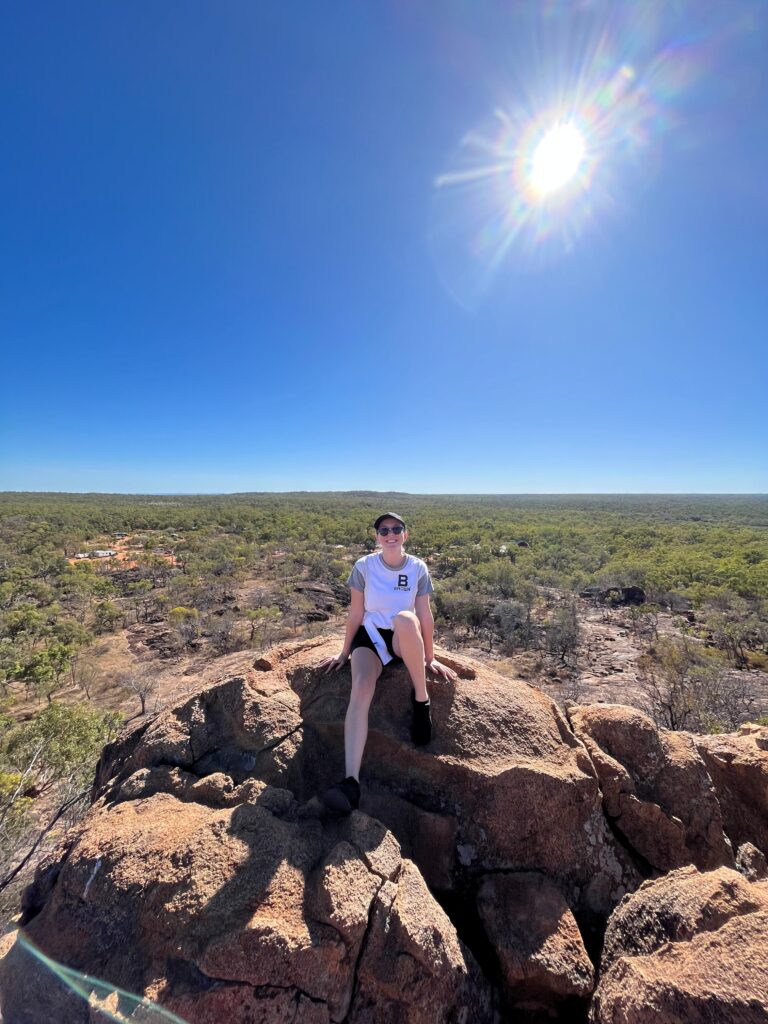
Can you tell us a little about yourself and your journey with Strive? What types of work do you do at Strive?
I have been with Strive for almost 5 years, starting out in Brisbane but quickly making the move to tropical FNQ where I spent the majority of my time with Strive to date. In the FNQ team, I was fortunate to step into the Team Leader role and support staff in the FNQ region. Since the end of 2024, I’ve been working back in Brisbane and enjoying stepping into more of the corporate services Strive has to offer whilst still getting out to some of our regional areas surround SEQ. As I am an Occupational Therapist by background, I am lucky to be able to complete a broad range of services at Strive, including anything from an ergonomic assessment or functional worksite assessment to our early intervention work onsite with workplaces to minimise the risk of psychological injuries. No two days are the same at Strive which is why I love the work so much – it’s energising and always interesting!
What’s one part of your day that always brings a smile to your face?
If I’m to pick just one thing, it would have to be the cheesy but honest answer of seeing the people I get to call my colleagues each day. Everyone at Strive are so warm, kind and unique, each bringing their own personality and full selves to work. Whilst I don’t get to see all of my colleagues each day with our regional Strivers being a bit far away, we all remain connected and it’s beautiful to see how others also prioritise time to send a silly message on Teams or call just to check in.
How do you personally maintain your own well-being while supporting others in theirs?
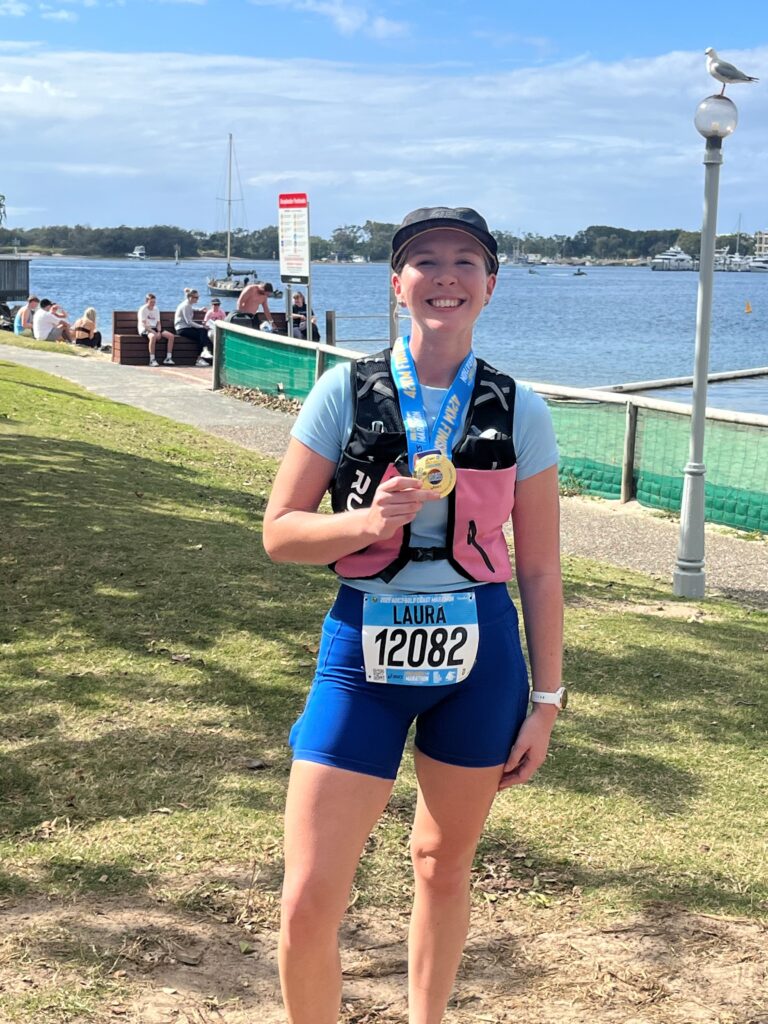
I’ll be very honest in saying I’m not the best advice taker as I am an advice giver, however I try to maintain a regular routine with exercise, running, reading and ensuring I make time to connect in with friends and family. As our work can often sap a lot of energy, it’s important to ‘recharge the batteries’ each day with the small things that we can build into our daily routines. I’ve also learnt along the way that giving ourselves a ‘quick five/breather’ can be the kindest thing to the person we’re supporting, ensuring we are in a regulated state to bring our best selves to each moment with our Clients.
What inspired you to become an Occupational Therapist—and what’s kept you passionate about it over the years?
It was actually my Mum who introduced me to OT when I was trying to choose a career path out of school. I ended up choosing OT as it sounded like a very holistic allied health profession in that it opens up the capacity to help people in a variety of settings and across age groups, but also uses a lot of logical thinking to problem-solve barriers experienced by people and enable capacities to engage in what is most meaningful to the person. I’ve remained passionate about OT as I get to support others when they may be experiencing the lowest point in their life so far or a rocky part of their rehab journey and help put together a plan of how they can navigate rehab to get back to doing what is most important to them. Specific to Occupational Rehabilitation, helping others regain their identity in their vocational occupation has been invaluable as they don’t just regain this identity, but they regain the means to provide for their family, a social network, a place where they belong, or a way to use their knowledge and experience in a safe and sustainable way. I think the reward in this profession speaks for itself.
What’s something people often misunderstand about occupational therapy or rehab consulting?
I often get asked how an OT fits in with the work we do at Strive as they may have only come across a Paediatric OT, a Hand OT, or others. My answer to them is that OTs all follow the same ‘recipe’ for helping others – we identify the barrier(s) to their engagement in meaningful activities/occupations, identify and set goals to work towards, plan and support their engagement in actions towards these goals, and review along the way any additional barriers that may be getting in the way of them achieving their goals. In Occupational Rehabilitation, the goal is usually around returning to some form of meaningful work or maintenance at work, therefore we apply the ‘recipe’ to this context and support the individual to navigate their way towards this goal.
If you could bottle one piece of advice for someone on a rehab journey, what would it be?
Bring it back to basics and bring it back to self – it is often the simplest changes or solutions that result in the biggest outcomes. In rehab, it can become overwhelming with the amount of information and advice one can receive from an array of stakeholders and Treating Practitioners, so it’s helpful to reconnect with ourselves and remember that we are in control of our rehab, not the other way around. Remembering what is most important for each of us and what brings us meaning and purpose is where we can unlock the greatest wins and progressions with a rehab journey.
 Empowering Recovery: A Conversation with Strive Occupational Therapist, Ainsley Childs.